How do Cloud Design Patterns help us solve network problems?
When we're building distributed systems, we face a ton of issues like the network not always being reliable due to latency, or security concerns. And if we don't pay attention to these, the whole system might crash. And that's where Cloud Design Patterns come in — they help us fix these problems! 💪
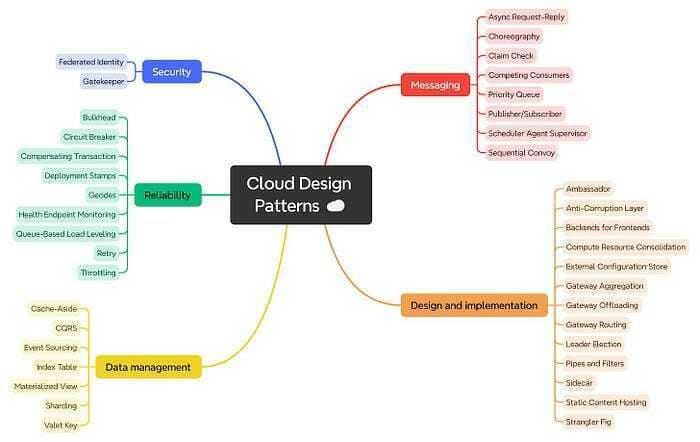
In this article, we will dive into some Cloud Design Patterns that deal with data management, design, messaging, security, and reliability. ❤️
First things first: "Fallacies of Distributed Computing"
There are some common things when working with distributed systems, and if we're not careful, they can lead to big problems. Like:
- Can we trust the network? 👀 The truth is, networks can cut out anytime, and things can go wrong. Example: If you're working with a Microservices system and don't handle connection issues between services right, everything could break real quick. 🥲
- Latency is one of the biggest issues in distributed systems — data takes time to move around, so delays can mess things up. Example: If you're processing tons of data in a short time, and some of it gets delayed, it might end up using old info, which causes errors! 🤦♂️
- Bandwidth can get so big that we can't handle all the data, and there are limits. Example: Trying to stream ultra-high-quality video without compression? That can totally mess with your network speed. 😬
- Network security! Since data's constantly moving, it's more vulnerable. Example: Sending sensitive info? Yeah, it could get hacked.
Now, let's talk Cloud Design Patterns
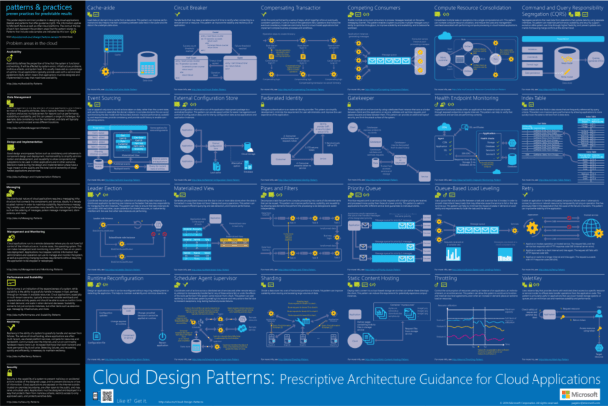
We'll break it down into: Data Management — Design and Implementation — Messaging — Security — Reliability
1. Data Management
- Cache-Aside Pattern: Boosts performance by caching the data that gets requested a lot, so the database isn't overloaded.
- CQRS Pattern: Separates read and write operations for the database to make things faster.
- Sharding Pattern: Breaks the data into chunks across multiple servers so we can store more efficiently.
2. Design and Implementation
- Strangler Fig Pattern: If the system's old, you swap parts of it bit by bit until everything's up to date.
- Bulkhead Pattern: If something goes wrong in one area, it's isolated so it doesn't mess up the whole system.
Messaging
- Queue-Based Load Leveling Pattern: This organizes requests into a queue, so they're processed one at a time, making sure no requests fail, even during peak traffic.